Wildlife Removal vs. Pest Control: Understanding the Difference
Wildlife removal or pest control services help eliminate unwanted animals or pests from your property, with local contractors specializing in safe, effective solutions tailored to your needs.
Understanding the difference between wildlife removal and pest control is essential for property owners facing unwanted visitors or infestations. Whether dealing with raccoons nesting in the attic, squirrels in the walls, or insects invading living spaces, knowing which service is appropriate can help address the issue effectively. This page is designed to provide clarity on these services, empowering property owners to make informed decisions and connect with local contractors who specialize in the right solutions for their needs.
Many property owners in the area encounter situations where distinguishing between wildlife removal and pest control matters. Wildlife removal services typically focus on safely and humanely removing larger animals that have entered structures or encroached on outdoor spaces, while pest control often targets insects and smaller pests that can multiply rapidly. Exploring these differences can lead to more effective, targeted treatments, and connecting with experienced local service providers ensures the job is handled professionally. Keep reading to learn more about how these services differ and how local experts can help address your specific concerns.
- Wildlife removal - needed when animals like raccoons or squirrels invade attics or yards, with local contractors specializing in humane exclusion methods.
- Pest control - appropriate for infestations of insects or rodents inside homes, with service providers focusing on targeted treatments and prevention.
- Wildlife removal - required when larger animals threaten property or safety, and local pros use trapping and habitat modification techniques.
- Pest control - used for ongoing pest issues such as ants or cockroaches, with local contractors implementing chemical and non-chemical solutions.
- Wildlife removal - necessary when animals cause structural damage or spread disease, with specialists addressing entry points and habitat disruption.
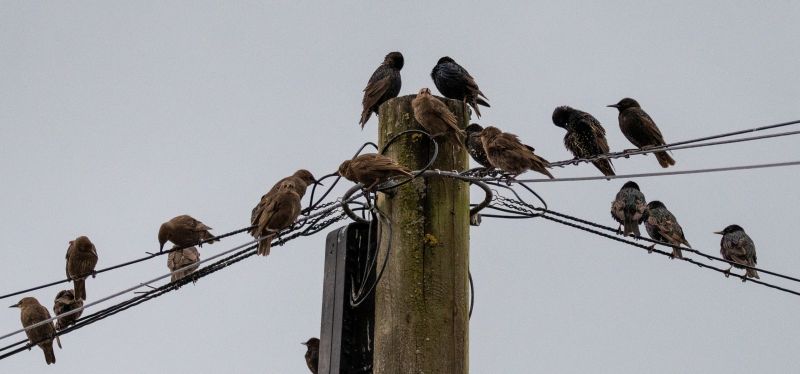
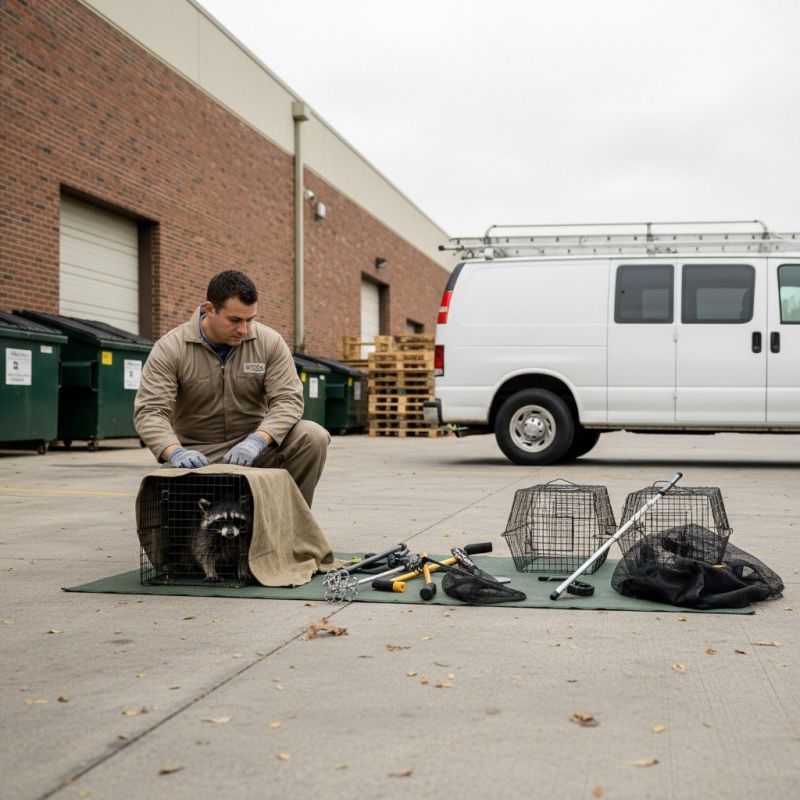
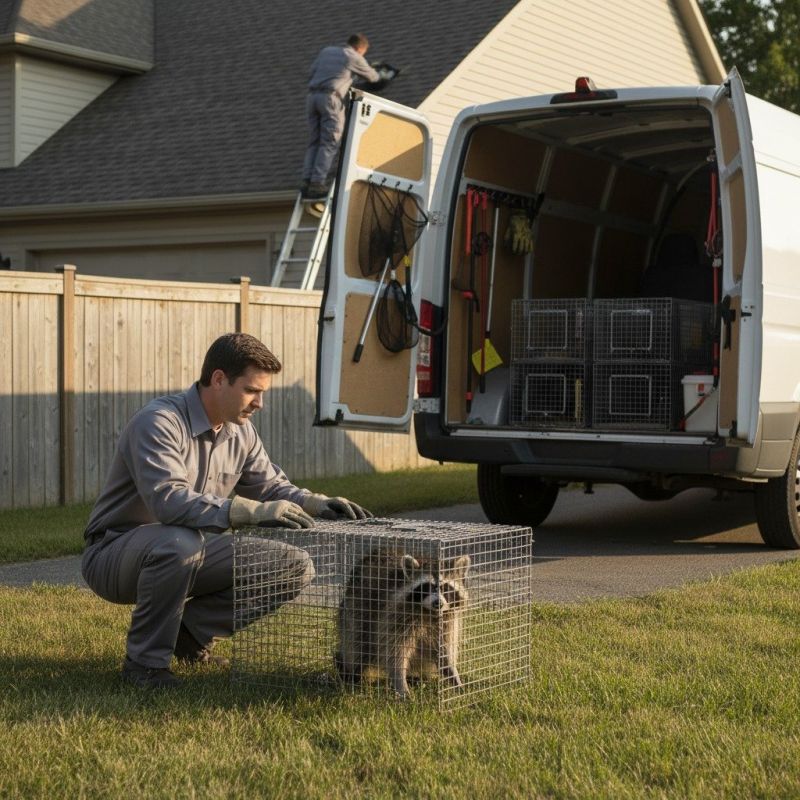
When people search for wildlife removal vs. pest control: understanding the difference, they are often trying to clarify which type of service best addresses their particular problem. Many homeowners encounter situations where animals like raccoons, squirrels, or bats have taken up residence on their property, leading them to consider wildlife removal. Others face issues with insects or rodents that infest their homes or yards, prompting a search for pest control solutions. While these terms are sometimes used interchangeably, they refer to distinct services designed to handle different types of unwanted visitors and property concerns. Understanding what each service involves helps homeowners determine the right approach for their specific situation and ensures that they connect with the appropriate local contractors.
The problems associated with wildlife removal vs. pest control tend to differ based on the nature of the pests or animals involved. Wildlife removal typically addresses larger animals that have entered homes, attics, or yards, often causing damage or creating safety hazards. These situations may involve animals that are protected or require humane removal methods. Pest control, on the other hand, generally targets smaller pests such as insects, ants, termites, or rodents that invade living spaces, contaminate food, or damage structures. Homeowners might plan for wildlife removal when animals are nesting in inaccessible areas or causing noise and damage, whereas pest control plans often focus on eliminating ongoing infestations and preventing future ones. Recognizing these differences helps in choosing the right service provider to develop an effective plan tailored to the specific property and problem.
In terms of property types, wildlife removal and pest control services are commonly needed across a range of residential, commercial, and even some industrial settings. Homes with attics, crawl spaces, or large yards are frequent sites for wildlife removal, especially when animals find entry points and establish nests. Properties with wood structures or stored materials may be more prone to pest infestations like termites or rodents. Commercial properties such as restaurants, warehouses, or office buildings often require pest control to maintain hygiene and comply with health standards. Whether dealing with a single-family house, apartment complex, or business facility, understanding the property’s characteristics and the nature of the pest or animal problem helps local service providers recommend the most suitable solution.
For homeowners facing wildlife removal vs. pest control issues, it’s important to understand how local service providers fit into the process. Wildlife removal specialists focus on humane and effective methods to safely remove animals from a property, often including sealing entry points to prevent future visits. Pest control contractors typically use targeted treatments to eliminate insects or rodents and implement ongoing prevention strategies. Both types of service providers play a crucial role in addressing different property concerns, and selecting the right professional depends on identifying whether the problem involves larger animals or smaller pests. By understanding the scope of each service, homeowners can better communicate their needs and ensure that the chosen local pros are equipped to handle the specific challenge effectively.
Wildlife exclusion projects involve sealing entry points and installing barriers, skills that are also essential in pest control to prevent animal and insect intrusions.
Habitat modification efforts focus on altering environments to reduce attractants, a common approach shared by wildlife removal and pest control services.
Trap and removal services require knowledge of animal behavior and trap placement, which are applicable to both wildlife and pest management tasks.
Sanitation and cleanup projects involve removing waste and nesting materials, skills that help prevent future infestations in both fields.
Inspection and assessment services require identifying signs of animal or pest activity, utilizing similar techniques across wildlife removal and pest control.
Preventative maintenance programs focus on ongoing protection measures, a strategy used by local contractors in both wildlife and pest management projects.
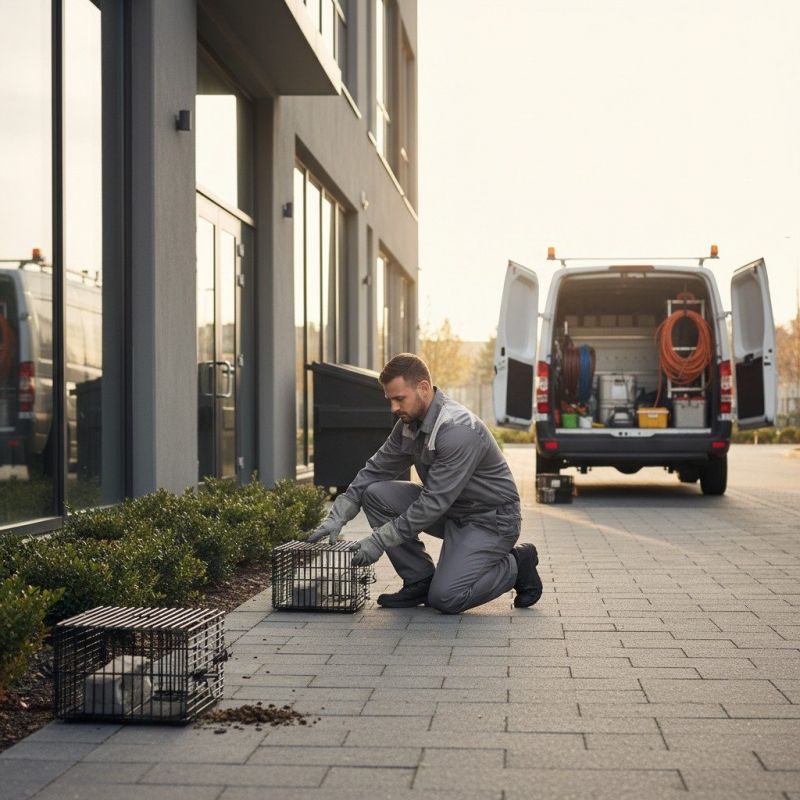
When evaluating wildlife removal versus pest control services, it is important to consider the experience of local contractors with similar projects. Wildlife removal often involves handling animals such as raccoons, squirrels, or bats that have taken up residence in or around a home, requiring specialized techniques to ensure humane and effective removal. Pest control typically addresses insects or rodents that infest indoor spaces, often involving different treatment methods. Choosing service providers with a proven track record in managing the specific type of wildlife or pests involved can help ensure the job is handled properly and efficiently.
Clear, written expectations are essential when comparing local service providers for wildlife removal or pest control. A reputable contractor should be able to provide detailed descriptions of the services offered, including what is included and what is not, as well as any necessary follow-up work. This transparency helps homeowners understand what to expect and prevents surprises during or after the project. Well-defined expectations also support effective communication and ensure that both parties are aligned on the scope and process of the work.
Reputable references and good communication are key factors in selecting the right service provider. Local contractors with positive references from previous clients can offer insights into their reliability and quality of work. Additionally, clear and responsive communication from the contractor helps address questions or concerns promptly, fostering a smoother experience. When comparing wildlife removal and pest control services, paying attention to these aspects can help homeowners find professionals who are dependable, transparent, and capable of meeting the specific needs of their property.
Property owners often search for wildlife removal vs. pest control: understanding the difference when they are planning practical projects around their homes and businesses. Local pros provide Wildlife Removal or Pest Control services for everyday jobs and straightforward project options.
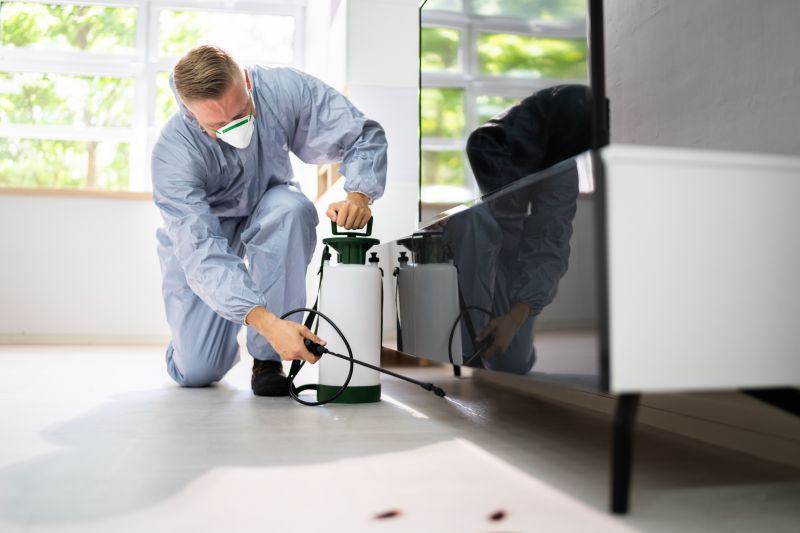
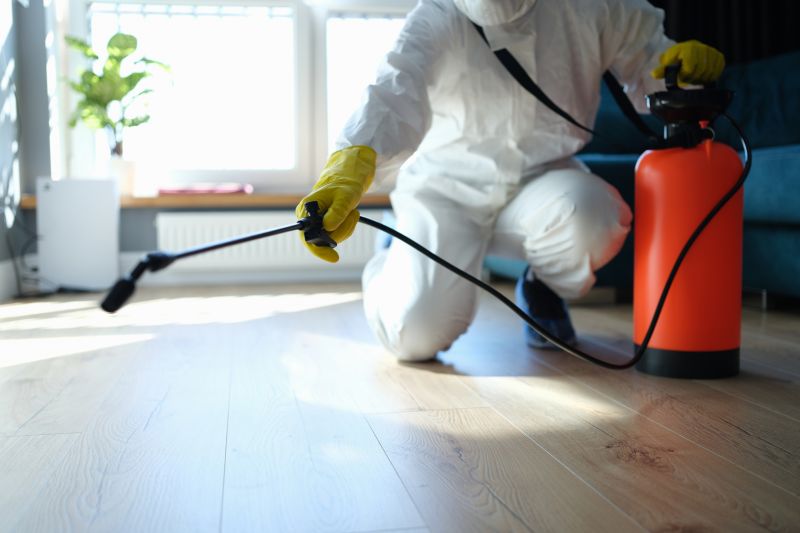
Understanding the difference between wildlife removal and pest control is an important consideration for property owners dealing with unwanted animals or insects. Wildlife removal services typically focus on safely and humanely removing larger animals such as raccoons, squirrels, or bats that may have entered attics, chimneys, or other parts of a property. Pest control, on the other hand, is generally geared toward managing smaller pests like insects, rodents, or termites that can invade living spaces or cause damage. Homeowners or business owners searching for solutions often look up this topic to determine which type of service is best suited for their specific situation, ensuring that the right approach is taken to address the problem effectively.
Local contractors who specialize in wildlife removal or pest control can provide tailored solutions based on the nature of the issue. Property owners might seek out these services to prevent property damage, avoid health risks, or simply remove animals that have become a nuisance. By understanding the distinction, they can better communicate their needs when reaching out for help. Whether it’s a matter of removing a raccoon from the attic or controlling a rodent infestation, these service providers can offer expertise to resolve the situation appropriately, helping property owners restore safety and comfort to their spaces.
What is the main difference between wildlife removal and pest control? Wildlife removal typically involves humanely capturing and relocating larger animals like raccoons, squirrels, or bats, while pest control focuses on eliminating insects and smaller pests such as ants, spiders, or rodents through targeted treatments.
When should I consider wildlife removal services instead of pest control? Wildlife removal services are appropriate when larger animals are found inside or around a property, especially if they have entered the building or caused damage, whereas pest control is suited for managing infestations of insects or small pests.
Are wildlife removal and pest control services performed differently? Yes, wildlife removal often involves trapping, exclusion, and humane relocation, while pest control generally uses chemical treatments, baiting, or trapping specific to insects and small pests.
Can a local service provider handle both wildlife removal and pest control? Many local contractors specialize in either wildlife removal or pest control, but some offer both services to address different types of pest and wildlife issues on a property.
Why is it important to choose the right service for wildlife removal versus pest control? Selecting the appropriate service ensures the correct methods are used for the specific problem, which can help prevent damage, ensure humane treatment, and effectively resolve the issue with the right expertise.
Identify wildlife vs. pests - Property owners can assess whether animals are causing damage or pests are invading, helping them choose the appropriate wildlife removal or pest control service.
Prevent future infestations - Implementing exclusion techniques with the help of local contractors can keep wildlife or pests from returning to the property.
Choose targeted treatments - Understanding the difference allows property owners to select services that use specific methods suited for wildlife removal or pest control needs.
Maintain property integrity - Regular inspections by local pros can help identify early signs of wildlife or pest issues, supporting ongoing property protection.
If you are thinking about wildlife removal vs. pest control: understanding the difference for a property, this guide is meant to help you understand this topic, the typical project types, and how different options might fit your plans.
When you are ready, you can use the quote form on this page to share a few details about your project. From there, local pros can review the basics and follow up with options that match what you have in mind.