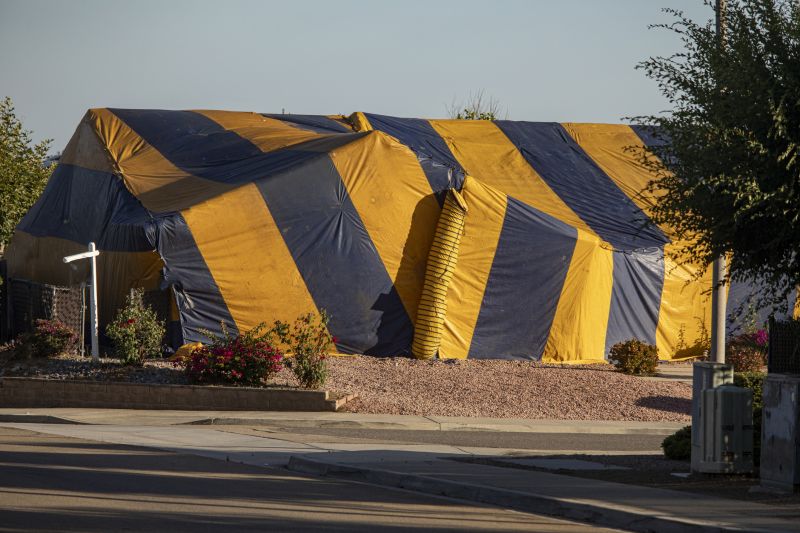
Termite Tenting in San Antonio, TX
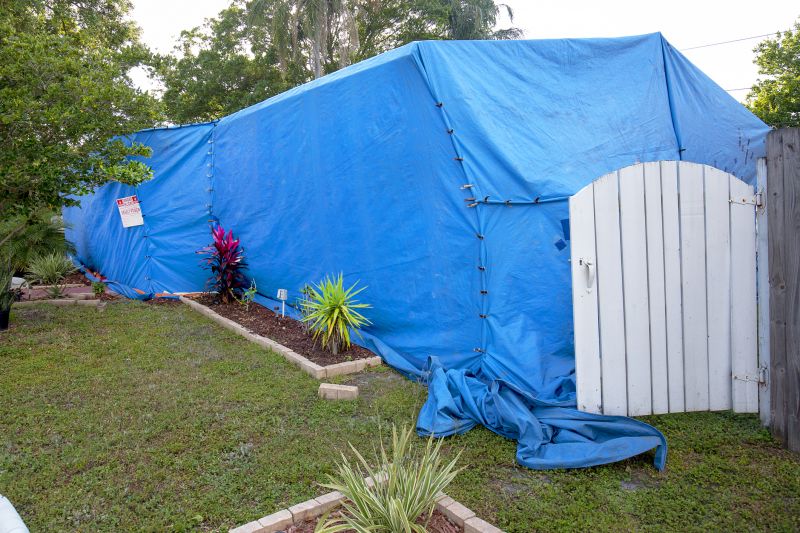
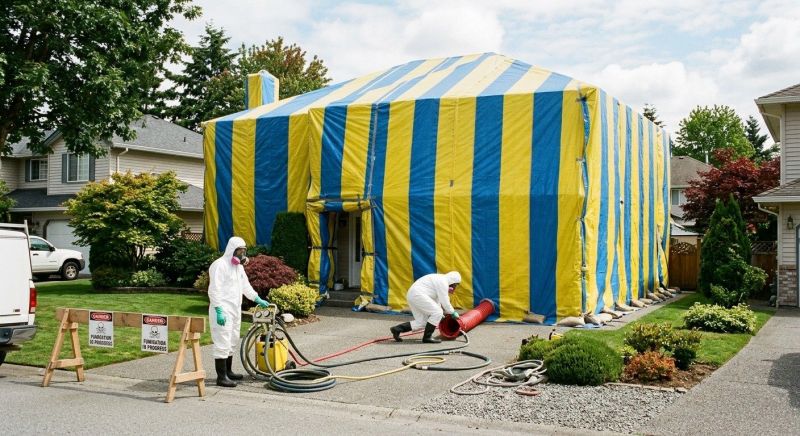
Termite tenting services involve the process of enclosing a property with a large, airtight tent to safely eliminate termite infestations through the application of fumigant gases. This method is typically used for severe or widespread termite problems that cannot be resolved through localized treatments. Property owners often request termite tenting when they discover extensive damage or infestation signs, such as discarded wings, mud tubes, or damaged wood, and want a comprehensive solution to protect their home or business.
Before requesting termite tenting, property owners usually want to understand the scope of the treatment, including the preparation steps needed, such as removing or protecting certain household items and food. It is also important to consider any necessary post-treatment procedures, including ventilation and re-entry guidelines, to ensure safety and effectiveness. Clarifying these details helps ensure the process proceeds smoothly and that the property is thoroughly treated to prevent future termite issues.
Many property owners in San Antonio, TX look into Termite Tenting for repairs, replacements, upgrades, and appearance-related improvements.
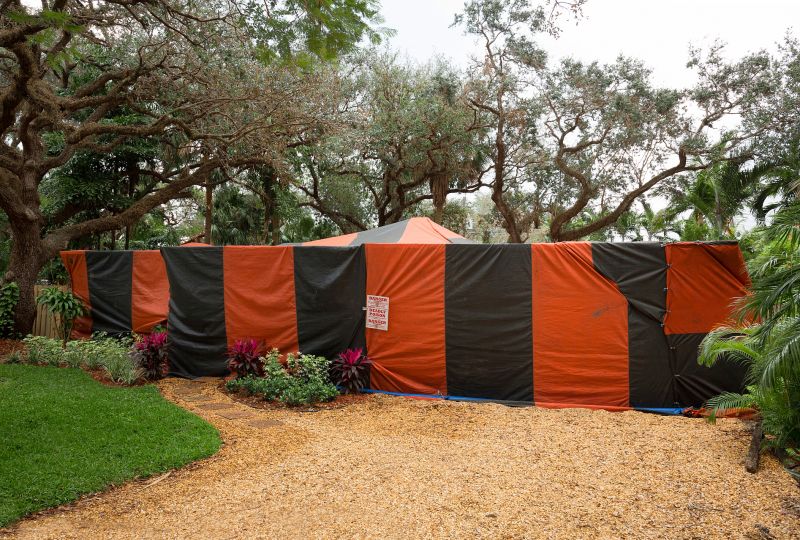
Termite Tenting Services
Examples of termite tenting work property owners may explore in san antonio, tx.
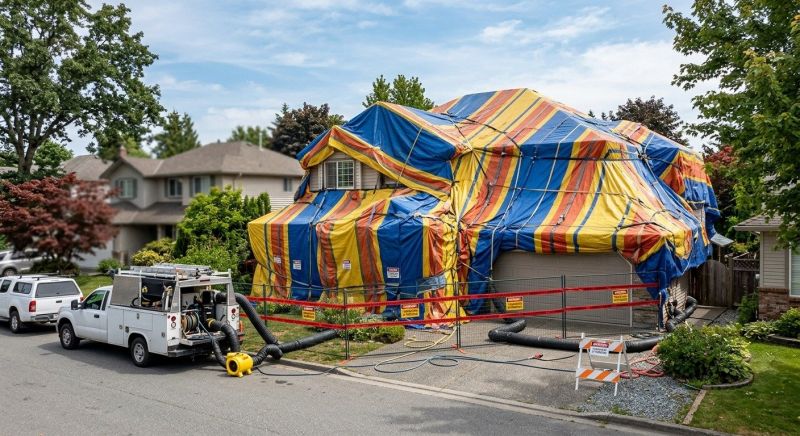
Termite Tenting Updates
Common ways people refresh, improve, or restore termite tenting features in san antonio, tx.

Termite Tenting Options
Different styles, layouts, and finishes people consider for termite tenting in san antonio, tx.
Termite Tenting in San Antonio, TX
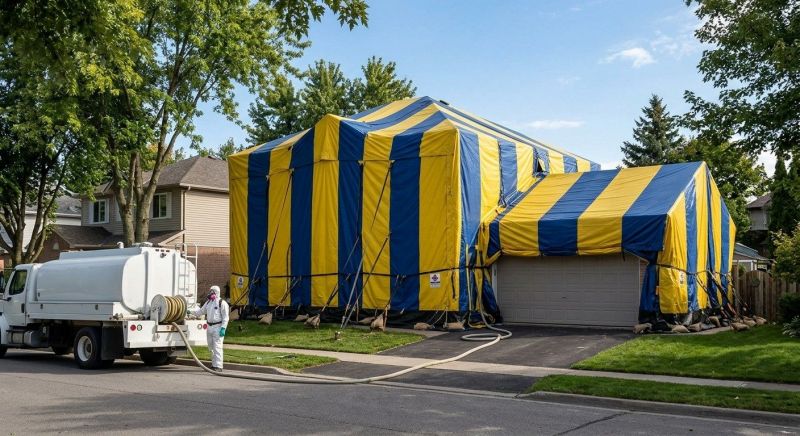
Termite tenting services involve the process of enclosing a property with a large, airtight tent to safely eliminate termite infestations through the application of fumigant gases. This method is typically used for severe or widespread termite problems that cannot be resolved through localized treatments. Property owners often request termite tenting when they discover extensive damage or infestation signs, such as discarded wings, mud tubes, or damaged wood, and want a comprehensive solution to protect their home or business.
Before requesting termite tenting, property owners usually want to understand the scope of the treatment, including the preparation steps needed, such as removing or protecting certain household items and food. It is also important to consider any necessary post-treatment procedures, including ventilation and re-entry guidelines, to ensure safety and effectiveness. Clarifying these details helps ensure the process proceeds smoothly and that the property is thoroughly treated to prevent future termite issues.
Many property owners in San Antonio, TX look into Termite Tenting for repairs, replacements, upgrades, and appearance-related improvements.
Common Termite Tenting Jobs
Termite Tenting - a treatment method to eliminate termites from entire properties.
Infestation Removal - effective for large-scale termite colonies in homes and structures.
Pre-Construction Tenting - used to protect new buildings from future termite damage.
Infestation Prevention - helps safeguard properties after treatment to reduce recurrence.
Structural Treatment - targets termites within walls, foundations, and wooden structures.
Real Estate Transactions - often required for termite clearance during property sales.

Termite Tenting Questions
What is termite tenting? Termite tenting involves covering a property with a tent to safely apply fumigation that eliminates termites throughout the structure.
What types of properties typically require tenting? Tenting is often used for homes, apartment buildings, and commercial properties with significant termite infestations.
Is the property safe to occupy after tenting? The property must be vacated during fumigation and for a specified period afterward to ensure safety.
How does termite tenting work? The process involves sealing the building with a tent and releasing gas to penetrate wood and other materials, killing termites on contact.
Request Termite Tenting in San Antonio, TX
Use the quote form on this page to share the basics of your project and request more information for the type of work you need.